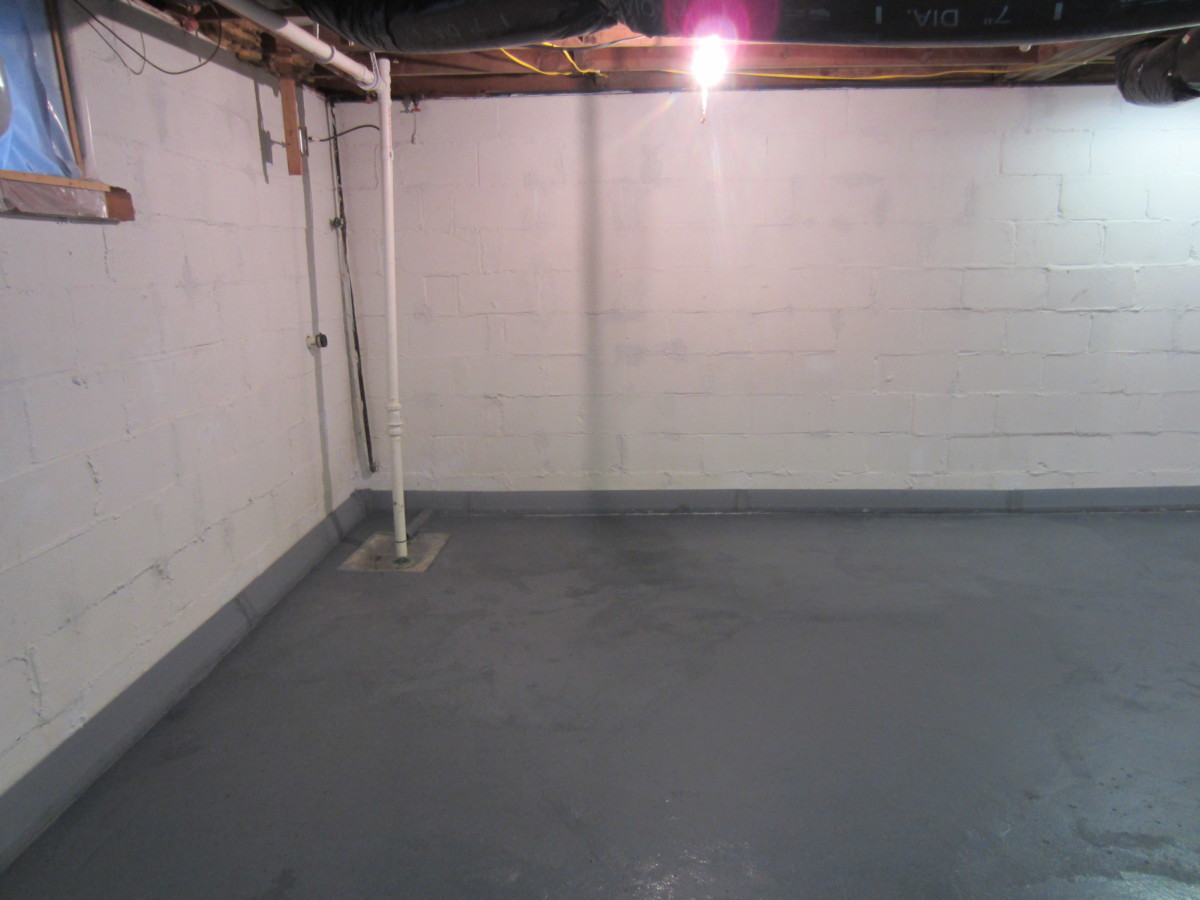
So, you’re thinking about finishing your basement? That’s a fantastic idea! But hold on a minute, have you considered waterproofing? It’s not the most glamorous part of the job, but it’s undeniably one of the most critical. Without it, you’re putting your investment at risk. Moisture problems can lead to serious issues like mold growth and structural damage, which can devalue your property and turn your dream basement into a nightmare. But don’t worry, by tackling potential leaks and dampness issues now, you’re paving the way for a robust and welcoming space. Interested in how to get started?
Key Takeaways
- Waterproofing protects the health and stability of your basement, reducing the risk of mold growth and structural damage.
- Key components of basement waterproofing include moisture barriers, sump pumps, drainage systems, and foundation sealing.
- Common sources of basement leaks include structural issues, drainage problems, soil conditions, and plumbing leaks, all of which can be addressed with waterproofing.
- Professional waterproofing is often more reliable and cost-effective than DIY efforts, due to their expertise and comprehensive solutions.
- When choosing a waterproofing contractor, consider their experience, qualifications, references, and always ask for a written estimate.
Understanding Basement Waterproofing
 Every homeowner should grasp the importance of basement waterproofing. It’s not simply about keeping your basement dry; it’s about protecting your home’s overall health and stability. Unwanted basement moisture can lead to a host of problems, such as mold growth, structural damage, and decreased property value.
Understanding how to tackle basement waterproofing begins with recognizing the symptoms of a moisture problem. Look out for dampness on walls, a musty odor, or condensation on windows. These signs could indicate that water is seeping into your basement, either through the foundation or from interior sources.
The backbone of any effective waterproofing system is a good drainage system. It’s the primary defense against water buildup. Drainage systems help direct water away from your home, reducing the pressure on your foundation walls and preventing water from seeping inside.
There are many different types of drainage systems, including interior drains, exterior drains, and sump pumps. Each has its own strengths and is best suited for specific circumstances. However, they all share a common goal – controlling basement moisture and keeping your home dry and healthy.
It’s essential to understand these systems and how they work to effectively waterproof your basement.
The Importance of Waterproofing
Let’s shift our focus to the significance of waterproofing your basement.
It’s key to recognize that waterproofing isn’t just a necessity, but also a major contributor to the durability and longevity of your home.
In neglecting this crucial step, you’re risking potential damage and costly repairs down the line.
Understanding Basement Waterproofing
While you may not often think about it, understanding basement waterproofing is crucial for maintaining the structural integrity of your home.
It’s not just about preventing water damage, but also about controlling basement humidity, which can lead to mold and mildew, damaging your property and potentially impacting your health.
- Moisture Barriers: These are essential in managing basement humidity.
These barriers, typically made of plastic or foil sheet, are installed on the walls and floor to keep moisture out.
- Waterproofing Paint: This can be applied to the interior of your basement walls.
It’s not a standalone solution, but it can be an effective part of a broader waterproofing strategy.
- Sump Pumps: These are used to remove water that has accumulated in a water-collecting sump basin.
It’s an effective way to keep your basement dry and prevent it from flooding.
Waterproofing: Key to Durability
Your home’s longevity and durability heavily rely on proper basement waterproofing. This includes a well-planned water management strategy that employs efficient drainage systems to redirect water away from the foundation.
Surface grading and landscape drainage play integral roles in this process, ensuring that water doesn’t pool around your home’s base.
Moisture barriers and vapor barriers are essential components of waterproofing. These barriers are designed to prevent moisture infiltration, contributing to humidity control within the basement.
Interior coatings can also serve as extra protection, blocking any residual moisture that may seep through.
Foundation sealing is a crucial step in the waterproofing process. It prevents water from penetrating the basement through cracks or gaps in the foundation.
And in case of excessive water accumulation, sump pumps are installed. They automatically activate to remove water from your basement, reducing the risk of flooding.
Waterproofing Benefits
Ever wondered what the benefits of basement waterproofing are? Well, they’re manifold, and we’re here to discuss a few of them. Understanding these benefits will help you appreciate why it’s vital to waterproof your basement before finishing it.
- Moisture control: Waterproofing your basement prevents unwanted dampness from seeping in. With a waterproofed basement, you won’t have to worry about persistent dampness that can lead to mold growth and compromise indoor air quality.
It ensures your basement stays dry, making it a safe and comfortable space for living or storage.
- Foundation protection: Waterproofing is crucial in safeguarding the structure of your home. It protects your foundation from water damage, thereby ensuring its longevity.
Without proper waterproofing, your foundation can be at risk of cracking and weakening due to water pressure.
- Increased property value: A waterproofed basement adds significant value to your property.
Potential buyers appreciate homes with finished, waterproofed basements, as they offer additional living or storage space.
Common Basement Leaks
Understanding the sources of common basement leaks is your first step to a dry, worry-free basement.
It’s crucial to address wall seepage promptly, as these leaks can swiftly cause significant damage to your home’s foundation and interior.
Lastly, implementing proactive floor leak prevention methods will provide the ultimate line of defense against unwanted water intrusion.
Identifying Basement Leak Sources
There are numerous ways water can sneak into your basement, causing unwanted dampness or even severe flooding. Identifying the source of these leaks is crucial for a successful waterproofing project. To ensure thorough leak detection, you’ll need to consider various potential moisture sources.
- Structural issues and foundation cracks: These are often primary culprits. Water can infiltrate through cracks in your basement walls or floor, especially when hydrostatic pressure from the water table increases during seasonal changes.
- Drainage problems and soil conditions: If your property’s drainage system is inadequate or the soil around your foundation doesn’t drain well, it can lead to water seeping into your basement.
- Plumbing leaks: These can also be a significant source of basement moisture. Leaky pipes or water heaters, for example, can cause localized wet spots or more widespread dampness.
Understanding these common sources of basement leaks allows you to tackle the problem effectively.
Solutions for Wall Seepage
How can you tackle the common issue of wall seepage? It’s essential to understand that effective solutions involve both prevention and repair.
Let’s delve into some practical methods that’ll keep your basement dry.
Start by examining your walls for cracks. They’re the main culprits for water seepage. If you spot any, you should consider crack injection, a method involving the use of a water-resistant substance to seal the cracks.
It’s a straightforward process, but it requires precision. The injected sealant solidifies, effectively blocking any water from seeping through.
But what if the water’s coming from the ground up, you ask? That’s where drainage systems come in. These are designed to catch water before it reaches your walls, rerouting it safely away.
They can be installed inside or outside your basement, depending on the specific issue.
Remember, it’s not just about dealing with the problem at hand. You’ve got to think ahead too. Regular maintenance can prevent future issues.
Check your walls and drainage systems periodically.
Floor Leak Prevention Methods
While it’s crucial to seal wall cracks, you shouldn’t overlook the importance of your basement floor. Foundation cracks can let water in, and improper floor drainage can lead to pooling water. To prevent leaks and ensure a dry basement, it’s crucial to use the right waterproofing materials and methods.
- Interior Systems: Start by applying moisture barriers and specific sealant types to your floor. This helps to block water from seeping up through the concrete.
You should also consider installing a sump pump. This device collects water from the interior drainage channels and pumps it out of your basement, preventing any potential flooding.
- Exterior Systems: Landscaping grading plays a crucial role in directing rainwater away from your foundation. Make sure your yard slopes away from your home, preventing water from pooling around your foundation.
- Water Testing: After implementing these measures, conduct water testing to verify their effectiveness. This involves flooding a small section of your basement floor to see if any water seeps in.
Waterproofing Methods
Several effective methods exist for waterproofing your basement, each with its own advantages and limitations.
One common approach is to implement an interior drainage system. This involves installing channels beneath your floor, directing water into a sump pump, which then expels it outside. It’s an effective solution but requires significant work.
Exterior barriers, another method, prevent water from ever reaching the interior. This involves the application of water resistant materials and vapor barriers on the outside of your basement walls. It’s often paired with landscaping solutions to direct water away from your home.
Waterproof coatings can also be used, which are painted on your walls and floor. They’re an affordable option but may not be sufficient for severe moisture problems.
Foundation repairs can be necessary if cracks or other flaws are letting water in. This can be a costly process, but it’s crucial for maintaining the structural integrity of your home.
Lastly, moisture control is crucial. This includes using dehumidifiers and maintaining proper ventilation. It’s a simple solution that can have a big impact on your basement’s overall dryness.
All methods should be considered when planning your waterproofing strategy.
Professional Vs DIY Waterproofing
 Many homeowners grapple with the decision between professional and DIY basement waterproofing. It’s a significant choice that depends on several factors, including your budget, skills, and the complexity of the task.
Let’s dive into a cost comparison and project timelines to aid your decision.
- Cost Comparison: Professional services come with a higher price tag, but they offer a comprehensive solution that addresses all potential water problems.
DIY might seem cheaper, but remember to factor in the cost of materials, tools, and potential mishaps.
- Project Timelines: A professional team can finish the job faster due to experience and specialized tools.
DIY projects often take longer as you balance it with other responsibilities. Also, if you encounter unexpected challenges, the project timeline might extend.
- Skills and Knowledge: Professional waterproofers have the training to spot and solve problems quickly.
If you’re a DIY enthusiast, you’ll need to invest time in learning and possibly trial-and-error.
Ultimately, if you’re confident in your skills and have the time, DIY can be a cost-effective option.
But for a hassle-free and speedy solution, hiring professionals is a practical choice.
Choosing a Waterproofing Contractor
Choosing a waterproofing contractor is a crucial step in ensuring your basement stays dry and damage-free. It’s not just about finding someone who can do the job, it’s about finding the right person who can do it well. That’s where contractor qualifications come into play.
You’ll want to look for a contractor who’s proven experience, ideally with basements similar to yours. Ask about their training, certifications and if they’ve any specialties. It’s also helpful to ask for references from past clients. This allows you to verify the quality of their work and their reliability as a professional.
Project timelines are another crucial aspect to consider. Basement waterproofing can be a disruptive process, so it’s important to find a contractor who can complete the work efficiently without cutting corners. Ask about their estimated timeline for your project.
Keep in mind that while a quick turnaround is nice, quality should never be sacrificed for speed.
Lastly, always get a written estimate and contract. This protects your interests and ensures you know exactly what you’re getting into.
Maintaining Your Waterproofed Basement
After successfully waterproofing your basement, it’s imperative to maintain it properly to preserve its integrity and longevity.
Regular inspection is essential in ensuring that your waterproofing system remains effective.
Basement maintenance tips often include the following:
- Monitor Humidity Levels: Use a hygrometer to measure the moisture content in the air. High humidity levels might indicate a problem with your waterproofing system.
- Check for Cracks Regularly: Regularly inspect your basement walls and floors for cracks. Small cracks can turn into big problems if not addressed promptly.
- Clean and Maintain Gutters and Downspouts: Keep your home’s gutters clean and extend downspouts away from your house to prevent water buildup around the foundation.
Frequently Asked Questions
How Much Time Does the Basement Waterproofing Process Typically Take?
The duration of your basement waterproofing can vary greatly. Typically, it takes between 1-2 days.
However, if your basement drainage needs significant work or certain waterproofing methods are used, it could take up to a week.
It’s important to get a detailed timeline from your contractor to ensure your basement project stays on track.
Can I Live in My House While the Basement Is Being Waterproofed?
Yes, you can live in your house while the basement is being waterproofed.
However, the process could be noisy and messy. It’s important to consider your living arrangements during this time.
You might need temporary solutions, such as using other spaces in your house more intensively or even staying with friends or family.
Always communicate with your contractors about the schedule to minimize disruption to your daily life.
Are There Any Specific Permits Required for Basement Waterproofing?
Yes, you’ll often need specific permits for basement waterproofing.
It’s crucial to check with your local government or city council, as laws vary. They’ll provide guidelines on proper basement drainage and waterproofing techniques.
Don’t skip this step, it ensures your project aligns with local regulations. You don’t want to finish your basement only to discover you’ve violated building codes.
It’s best to get this sorted before starting the waterproofing process.
What Is the Average Cost Range for Basement Waterproofing?
You’re likely wondering about the average cost range for basement waterproofing.
It typically falls between $500 to $15,000, depending on several cost factors. The size of your basement, the extent of the water issues, and the waterproofing methods chosen, such as interior or exterior waterproofing, all play a role in the final price.
It’s crucial to get multiple quotes to ensure you’re receiving a fair deal.
In short, before you start finishing your basement, make sure you’ve waterproofed it. It’ll save you from costly repairs, protect your investment, and ensure a safe, comfortable space for you to enjoy. Don’t underestimate common leaks and consider hiring a professional for the job. With proper maintenance, your waterproofed basement will be a valuable addition to your home. So, get it done right the first time and enjoy peace of mind.