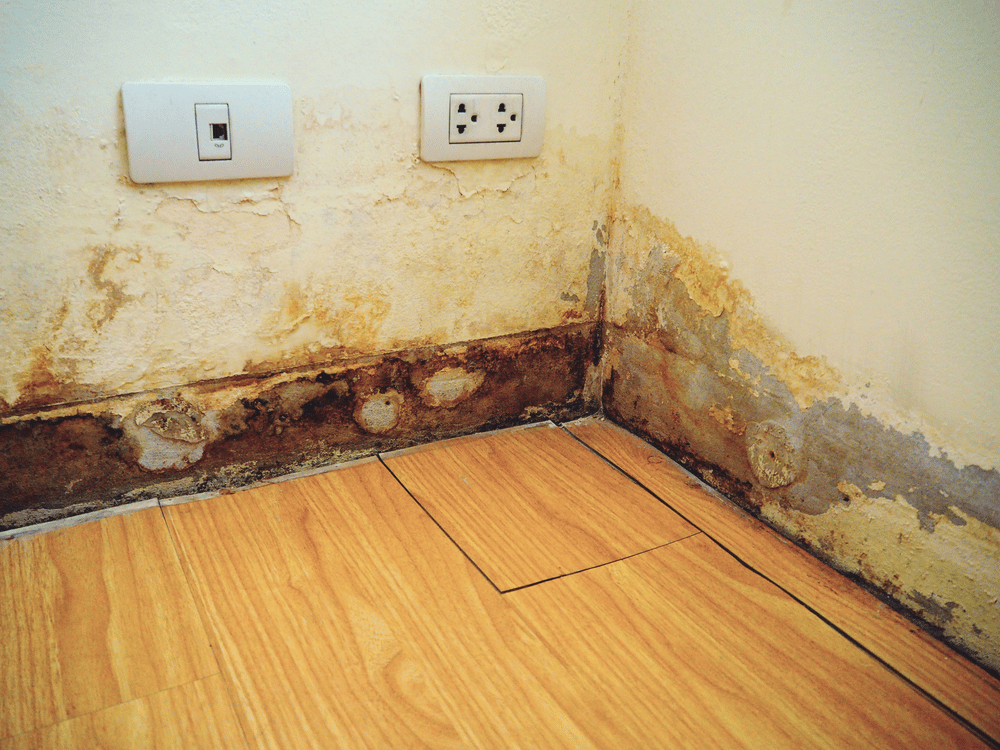
You’ve probably noticed it, that musty smell in your basement. But do you know that it’s more than just an unpleasant odor? It’s actually a warning sign of bigger problems. High humidity levels in your basement can lead to mold growth, structural damage, and even health issues. It’s not just about maintaining a comfortable living space; it’s about safeguarding your home’s integrity and your family’s health. So, isn’t it time you took a closer look at what’s really happening in your basement?
Key Takeaways
- High basement humidity attracts pests and promotes mold growth, posing health risks and damaging personal belongings.
- Ignoring signs of excessive moisture can lead to structural damage, compromising a home’s foundation and safety.
- Chronic humidity issues in the basement can lead to poor indoor air quality, potentially causing respiratory problems over time.
- Persistent dampness in the basement can widen cracks in walls and floors, resulting in costly repairs.
- High humidity levels in the basement indicate inadequate ventilation or waterproofing, signaling the need for basement dehumidification and ventilation solutions.
Understanding Basement Humidity
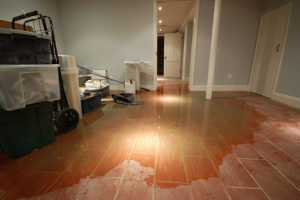 Despite being out of sight, basement humidity should never be out of mind. You can’t afford to ignore it. Not only does it make your basement feel unpleasant and damp, but it can also lead to a variety of problems down the line.
High humidity levels lead to condensation on your walls and floors, creating an ideal environment for unwanted pests and can damage your possessions stored in the basement. You might’ve noticed a musty smell, peeling paint, or rusty appliances – these are all signs of excessive moisture.
You’re probably wondering how this happens. Well, it’s due to the fact that basements are below ground level, which makes them prone to moisture from the soil. Additionally, if your basement is poorly ventilated, it exacerbates the issue, trapping the humidity inside.
But don’t worry, it’s not all doom and gloom. You can combat basement humidity effectively by increasing ventilation, using a dehumidifier, or waterproofing your basement.
These simple steps can help keep your basement dry and prevent potential damage in the future. Remember, it’s always better to address the problem sooner rather than later.
The Link Between Humidity and Mold
One major issue that can stem from high basement humidity is the growth of mold.
Now, you might be thinking, “It’s just a little mold, what’s the big deal?” But let me tell you, it’s more than just an unsightly inconvenience.
Mold loves damp, dark places, and your humid basement provides the perfect breeding ground. It doesn’t take long for a small patch of mold to spread and take over large areas.
This growth isn’t harmless. It can negatively impact your health, particularly if you’re allergic or asthmatic. Symptoms can range from itchy eyes and sneezing to more severe respiratory issues.
But it’s not just your health that’s at risk. Mold can also cause damage to your belongings.
Furniture, books, clothing – nothing is safe when mold starts to spread. And let’s not forget about the unpleasant musty smell that comes with it.
Structural Damage From Excessive Moisture
Beyond the health risks and damage to your belongings, excessive moisture in your basement can lead to serious structural damage. When humidity levels rise, it’s not just your stored items that suffer. Your home’s very foundation might be at risk.
Water has a way of finding its path into any cracks or gaps in a building’s structure. When it freezes, it expands and widens these openings. Then, when it thaws, it seeps deeper into the structure, causing even more damage. Over time, this cycle can weaken your home’s foundation, compromising its stability.
Consider the following potential issues caused by excessive basement moisture:
- Cracks in walls or floors
- Bowed walls
- Wood rot in beams and flooring
- Crumbling brick and mortar
- Mold growth on structural elements
Notice any of these signs? Don’t ignore them. It’s vital to address excessive moisture issues as soon as they’re detected.
By doing so, you’re not just preserving your belongings or improving your indoor air quality – you’re safeguarding your home’s structure and your family’s safety.
Unseen Health Risks of Damp Basements
You mightn’t realize it, but your damp basement could be putting your health at risk.
The constant humidity creates a perfect breeding ground for mold, which can lead to serious respiratory issues.
Plus, the dampness can attract pests, adding another layer of health concerns.
Mold and Respiratory Issues
Seven out of ten homeowners overlook the unseen health risks lurking in their damp basements, most importantly, mold and respiratory issues. You may not realize it, but that moldy smell might be more than just unpleasant; it could be hazardous to your health.
Mold, a result of unchecked humidity, can aggravate existing respiratory conditions or cause new ones. It’s especially harmful to individuals with allergies or asthma. But don’t be fooled; even if you’re healthy, prolonged exposure can still affect you.
Here’s how:
- Mold releases microscopic spores into the air. Inhaling these can lead to respiratory problems.
- Some molds produce mycotoxins, which can cause serious health issues.
- Prolonged mold exposure can lead to chronic conditions like bronchitis or lung inflammation.
- Mold can cause allergic reactions, resulting in symptoms like a runny nose, itchy eyes, or skin rashes.
- Certain types of mold can cause a rare but serious lung condition known as hypersensitivity pneumonitis.
Dampness Attracting Pests
While mold and respiratory issues are indeed worrying, there’s another silent threat lurking in your damp basement: pests. Insects and rodents are attracted to damp environments and your humid basement is the perfect breeding ground for these nuisances.
Not only are pests annoying, but they can also pose serious health risks. Many pests like cockroaches and rodents carry diseases that can affect you and your family. They can also cause significant damage to your house, gnawing on wires, insulation, and even the structure of your home.
Here’s a simple table to help you understand the risks:
| Pests | Risks |
|---|---|
| Cockroaches | Asthma and Allergies |
| Rodents | Hantavirus, Salmonella |
| Termites | Structural Damage |
| Mosquitoes | Malaria, Zika Virus |
Detecting High Humidity Levels
You might wonder how to tell if your basement has high humidity. It’s not always as obvious as you’d think.
Let’s talk about the indicators you should look for and why it’s essential to keep humidity levels in check.
Humidity Indicators in Basements
In the damp world of your basement, detecting high humidity levels becomes essential. It’s not just about comfort, it’s about preventing bigger problems down the line.
That’s where humidity indicators come in. These handy tools can help you stay on top of your basement’s moisture levels before things get out of hand.
There are several types of humidity indicators you can use:
- Hygrometers: These devices measure the amount of moisture in the air. They’re accurate, easy to use, and come in both digital and analog versions.
- Moisture meters: These gadgets can detect moisture content in materials like wood or drywall, helping you find hidden dampness.
- Humidity sensors: Often part of a home automation system, these sensors can alert you to high humidity levels in real-time.
- Dehumidifiers with built-in indicators: Some dehumidifiers come equipped with humidity sensors, allowing them to automatically adjust their operation based on the moisture level.
- Humidity indicator cards: These simple, affordable cards change color based on the humidity level.
Risks of High Humidity
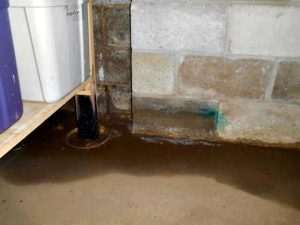 Let’s face it, high humidity in your basement is more than just an annoyance. It’s a silent threat that can lead to serious problems if ignored.
The first risk is health-related. High humidity levels create an ideal environment for mold and mildew growth. These fungi can cause allergic reactions, respiratory issues, and even serious conditions like asthma.
Second, high humidity can considerably damage your property. Excess moisture can warp wood, peel paint, and ruin your furniture and electronics. You’ll likely end up spending lots of money on home repairs and replacements.
Thirdly, it can attract a variety of pests. From silverfish to cockroaches, many pests thrive in damp environments. Once they find a home in your basement, they can easily infiltrate the rest of your home.
Effective Solutions for Basement Dehumidification
Battling with dampness in your basement? Don’t worry, there are effective solutions available to help dehumidify your space and avoid potential problems.
The key is to act promptly before humidity causes major issues, such as structural damage or mold growth.
To help you get started, here are some practical steps you can take:
- Invest in a dehumidifier: A good quality dehumidifier can considerably reduce excess moisture in your basement. It’s a worthy investment that’ll save you from possible costly repairs in the future.
- Guarantee good ventilation: This improves air circulation, helping to decrease humidity levels.
- Use moisture-absorbing products: These can be particularly helpful in small, enclosed spaces.
- Waterproof your basement: This can be a more all-encompassing solution, sealing off potential entry points for moisture.
- Regularly inspect and maintain your home: This includes checking for cracks, leaks, and other potential sources of moisture.
So, it’s clear that humidity in your basement isn’t something to shrug off. It’s a signal of bigger problems, from mold growth to structural damage. But you don’t have to panic. By detecting high humidity early and implementing effective dehumidification solutions, you can tackle these issues head-on. Remember, a dry basement isn’t just about protecting your possessions it’s about keeping your home safe, sound, and healthy for everyone who lives there.